

Black & White Clownfish
$49.99
Amphiprion ocellaris
| Care Level | Easy |
| Temperament | Peaceful |
| Color Form | Black, White |
| Diet | Omnivore |
| Reef Compatible | Yes |
| Water Conditions | sg 1.020-1.025, 72-78° F, dKH 8-12, pH 8.1-8.4 |
| Max Size | 3″ |
| Family | Pomacentridae |
| Minimum Tank Size | 20 gallons |
7-Day Guarantee
Approximate Purchase Size: Small: 1″ to 1.25″; Medium: 1.25″ to 1.75″; Large: 1.75″ to 2.25″
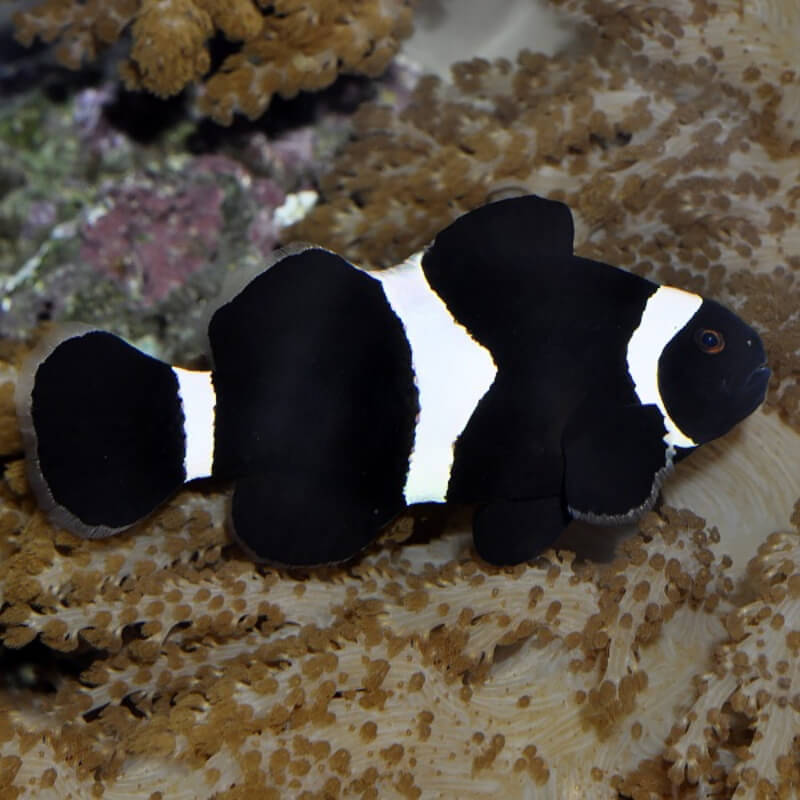
Black & White Clownfish
Also known as the Darwin Clownfish or Darwin Black Ocellaris
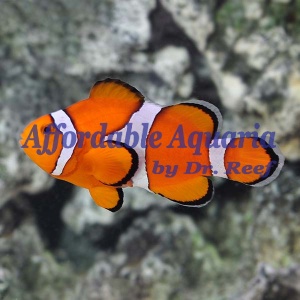
The Black & White Clownfish is a striking color variant of the beloved Ocellaris Clownfish, native to the waters around Darwin, Australia, and parts of Indonesia. This dramatic morph features jet-black bodies adorned with bright white bands, creating a stunning contrast that makes them one of the most visually impressive clownfish varieties available to aquarists. Hardy, personable, and captive-bred in large numbers, they represent an excellent choice for both beginners and experienced hobbyists.
Key Features
Scientific Name: Amphiprion ocellaris (Darwin/Black variant)
Common Names: Black & White Clownfish, Darwin Clownfish, Black Ocellaris, Darwin Black Clownfish
Adult Size: 3–4 inches (7.5–10 cm)
Lifespan: 6–10+ years with proper care
Temperament: Semi-aggressive; peaceful toward most tankmates but territorial around their host area
Reef Compatibility: Reef-safe
Minimum Tank Size: 20 gallons (30+ gallons recommended for pairs)
Experience Level: Beginner to Intermediate
Habitat & Tank Requirements
Natural Habitat: Found in sheltered lagoons and coastal reefs at depths of 3–50 feet, typically living among host anemones including Bubble Tip, Magnificent, and Sebae anemones.
Tank Environment:
- Provide host anemone or suitable coral substitute (Hammer, Frogspawn, or Torch corals)
- Live rock with caves and crevices for shelter
- Moderate water flow with calmer areas near host
- Stable water parameters in established aquariums (2+ months recommended)
Water Parameters:
- Temperature: 74–80°F (23–27°C)
- Salinity: 1.023–1.025 specific gravity
- pH: 8.1–8.4
- Ammonia/Nitrite: 0 ppm
- Nitrate: <20 ppm (lower is better)
- Alkalinity: 8–12 dKH
Essential Equipment:
- Quality protein skimmer (for tanks over 30 gallons)
- Adequate filtration system
- Stable lighting (moderate intensity acceptable)
- Regular water changes (10–15% weekly or 20% biweekly)
Diet & Feeding
Black & White Clownfish are omnivores with hearty appetites and will accept virtually all aquarium foods once established.
Recommended Foods:
- Pellets/Flakes: High-quality marine pellets, spirulina flakes, color-enhancing formulas
- Frozen Foods: Mysis shrimp, brine shrimp, cyclops, finely chopped krill
- Plant Matter: Spirulina, marine algae sheets (occasional)
- Prepared Mixes: Omnivore blends, enriched frozen preparations
- Enrichment: Vitamin-soaked foods, garlic-enriched preparations for immune support
Feeding Schedule:
- Feed 1–2 times daily
- Offer small portions they can consume in 2–3 minutes
- Variety prevents nutritional deficiencies and maintains vibrant coloration
Behavior & Compatibility
Temperament:
- Generally peaceful and outgoing once established
- May become territorial around host anemone or chosen territory
- Pairs exhibit interesting social hierarchy (larger fish becomes female)
- Bold personality; often becomes interactive with owner
Tank Mates:
- Compatible with: Most peaceful community fish including tangs, gobies, dartfish, firefish, blennies, cardinalfish, basslets, peaceful wrasses
- Caution with: Aggressive dottybacks, large predatory fish
- Avoid: Other clownfish species in tanks under 75 gallons, aggressive triggers, large groupers
Pairing Behavior:
- Can be kept singly, in pairs, or occasionally in small groups if introduced simultaneously as juveniles
- All clownfish are born male; the dominant fish becomes female
- Established pairs form strong bonds and may breed in aquariums
Reef Compatibility:
- Completely reef-safe; will not harm corals or invertebrates
- May host in various anemones or substitute corals
- Excellent choice for mixed reef aquariums
Acclimation & Care Tips
Initial Acclimation:
- Use drip acclimation method over 45–60 minutes minimum
- Float bag for temperature equalization (15–20 minutes)
- Dim tank lights during introduction
- Minimize stress during first 24 hours
Health Considerations:
- Generally hardy but can be susceptible to marine ich (Cryptocaryon) and marine velvet (Amyloodinium) when stressed
- Quarantine for 3–4 weeks before adding to display tank (especially wild-caught specimens)
- Watch for rapid breathing, flashing against rocks, or loss of appetite
- Captive-bred specimens are typically hardier than wild-caught
Signs of a Healthy Specimen:
- Active swimming and curious behavior
- Clear, bright eyes with no cloudiness
- Vibrant black and white coloration with no fading
- Eager feeding response
- Smooth fins with no tears or damage
- No visible spots, lesions, or excess mucus
Color & Development
Coloration Characteristics:
- Body: Deep jet-black to charcoal black
- Bands: Three bright white vertical bands (head, mid-body, and tail)
- Fins: Black with white margins on dorsal, anal, and caudal fins
- Eyes: Orange-red iris creating stunning contrast
Color Intensity:
- High-quality diet maintains deep black coloration
- Proper lighting enhances white band brightness
- Stress or poor water quality may cause temporary color fading
- Captive-bred specimens often display more consistent coloration than wild variants
Size & Growth:
- Juveniles start at 0.5–1 inch
- Reach adult size (3–4 inches) within 12–18 months
- Females grow slightly larger than males in established pairs
Anemone Hosting Behavior
Natural Hosts:
- Bubble Tip Anemone (Entacmaea quadricolor) – most popular choice
- Magnificent Anemone (Heteractis magnifica)
- Sebae Anemone (Heteractis crispa)
- Leathery Anemone (Heteractis coriaceae)
Coral Substitutes:
- Hammer Coral (Euphyllia ancora)
- Frogspawn Coral (Euphyllia divisa)
- Torch Coral (Euphyllia glabrescens)
- Toadstool Leather Coral (Sarcophyton sp.)
Special Considerations
Quarantine is Recommended: While captive-bred Black & White Clownfish are generally robust, quarantine remains the best practice to prevent introducing parasites or diseases to your display tank. Quarantined fish have been:
- Observed for 3–4 weeks minimum
- Monitored for signs of stress or illness
- Acclimated to prepared aquarium foods
- Cleared of common marine parasites
Captive-Bred Advantages:
- Superior hardiness compared to wild-caught specimens
- Already adapted to aquarium foods and conditions
- More vibrant, consistent coloration
- No impact on wild reef populations
- Better survival rates and easier acclimation
Breeding Potential: Established pairs may spawn in home aquariums, laying eggs on flat surfaces near their host. While raising the larvae is challenging, witnessing spawning behavior is rewarding for dedicated hobbyists.
Why Choose a Quarantined Black & White Clownfish?
A properly quarantined Black & White Clownfish is a healthier, stress-free specimen that is ready to thrive in your aquarium. Our quarantine protocol includes health observation, preventative treatment when necessary, dietary conditioning to ensure acceptance of all foods, and proper acclimation procedures. That provides you with the confidence and peace of mind that your new clownfish will be a long-term success story in your reef or FOWLR system.
Only logged in customers who have purchased this product may leave a review.
Related products
Regal Angelfish (Red Sea)(Yellow Belly)
Price range: $299.99 through $369.99
Reviews
There are no reviews yet.