

Blue Damselfish
$17.99
Chrysiptera cyanea
| Care Level | Easy |
| Temperament | Semi-aggressive |
| Color Form | Blue, Orange |
| Diet | Omnivore |
| Reef Compatible | Yes |
| Water Conditions | sg 1.020-1.025, 72-78° F, dKH 8-12, pH 8.1-8.4 |
| Max Size | 3″ |
| Family | Pomacentridae |
| Minimum Tank Size | 30 gallons |
7-Day Guarantee
Approximate Purchase Size: Small to medium
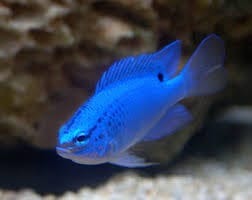
Blue Damselfish
Also known as Sapphire Damselfish, Blue Devil Damsel
The Blue Damselfish is one of the most recognizable and vibrant reef fish, known for its intense electric-blue coloration. Native to shallow coral reefs of the Indo-Pacific, this species is extremely hardy and adaptable, making it a common choice for marine aquariums. While visually stunning and resilient, it is also known for developing strong territorial behavior as it matures, especially in smaller tanks.
Key Features
- Scientific Name: Chrysiptera cyanea
- Common Names: Blue Damselfish, Sapphire Damselfish, Blue Devil Damsel
- Adult Size: Around 3 inches (≈ 7.5 cm)
- Lifespan: 5 to 10 years with proper care
- Temperament: Aggressive to semi-aggressive
- Reef Compatibility: Reef-safe. Does not harm corals
- Minimum Tank Size: 30 gallons (≈ 115 liters) for one specimen
- Experience Level: Beginner to Intermediate
Habitat & Tank Requirements
Natural Habitat
Blue Damselfish are found throughout the Indo-Pacific region, including the Red Sea, East Africa, Indonesia, and the Great Barrier Reef. They inhabit shallow coral reefs and lagoon areas, where they establish territories among branching corals and rock crevices close to the reef surface.
Tank Environment
- Plenty of live rock to form caves and territories
- Moderate to strong water movement
- Open swimming space combined with hiding areas
- Best added last in community tanks due to aggression
Recommended Water Parameters
- Temperature: 74–80 °F (≈ 23–27 °C)
- Salinity: 1.020–1.025 sg
- pH: 8.1–8.4
Diet & Feeding
Blue Damselfish are omnivores and highly adaptable eaters.
Recommended Foods
- Marine flakes and pellets
- Frozen mysis shrimp and brine shrimp
- Finely chopped seafood
- Occasional algae-based foods
Feeding Schedule
- Feed once or twice daily
- Avoid overfeeding to maintain water quality
Behavior & Compatibility
- Highly territorial, especially as adults
- May chase or harass peaceful fish
- Best kept singly or in large tanks
- Establishes and defends a chosen area of the tank
Suitable Tank Mates
- Larger or semi-aggressive fish such as tangs, larger wrasses, and dwarf angels
- Avoid small, timid, or slow-moving species
- Reef-safe invertebrates are generally ignored
Reef Compatibility
- Safe with all coral types
- Does not disturb rockwork or corals
- Aggression may affect fish placement in reef tanks
Acclimation & Care Tips
- Introduce into a fully cycled, stable aquarium
- Provide rockwork immediately to establish territory
- Add after peaceful species to reduce bullying
- Maintain consistent water parameters
Signs of a Healthy Specimen
- Bright, uniform blue coloration
- Active swimming and alert behavior
- Strong feeding response
- Clear eyes and intact fins
Color & Development
- Brilliant electric-blue body from juvenile to adult
- Color intensity remains strong under proper care
- Reaches full adult size around 3 inches
Special Considerations
Blue Damselfish are extremely hardy but can become very aggressive in confined spaces. Adequate tank size, rockwork, and careful tank mate selection are essential to prevent stress and injury to other fish. Once established, they may dominate smaller aquariums, making them better suited for larger community or semi-aggressive setups.
Breeding Potential
Blue Damselfish are egg-layers and may spawn in home aquariums. Eggs are laid on rock surfaces and guarded by the male until hatching. While spawning behavior is common, raising larvae is difficult due to their small size and specialized feeding requirements.
Why Choose a Quarantined Blue Damselfish?
A quarantined Blue Damselfish arrives healthy, parasite-free, and accustomed to aquarium conditions. Quarantine reduces the risk of disease introduction and improves long-term success. With its unmatched blue coloration and exceptional hardiness, this species is an excellent choice for aquarists seeking a bold, energetic presence in their marine aquarium.
Only logged in customers who have purchased this product may leave a review.
Related products
Reviews
There are no reviews yet.