

Clarkii Clownfish
$39.99
Amphiprion clarkii
| Care Level | Easy |
| Temperament | Semi-aggressive |
| Color Form | Black, Tan, White |
| Diet | Omnivore |
| Reef Compatible | Yes |
| Water Conditions | sg 1.020-1.025, 72-78° F, dKH 8-12, pH 8.1-8.4 |
| Max Size | 6″ |
| Family | Pomacentridae |
| Minimum Tank Size | 30 gallons |
7-Day Guarantee
Approximate Purchase Size: Small: 1″ to 1.25″; Medium: 1.25″ to 1.75″; Large: 1.75″ to 2.25″
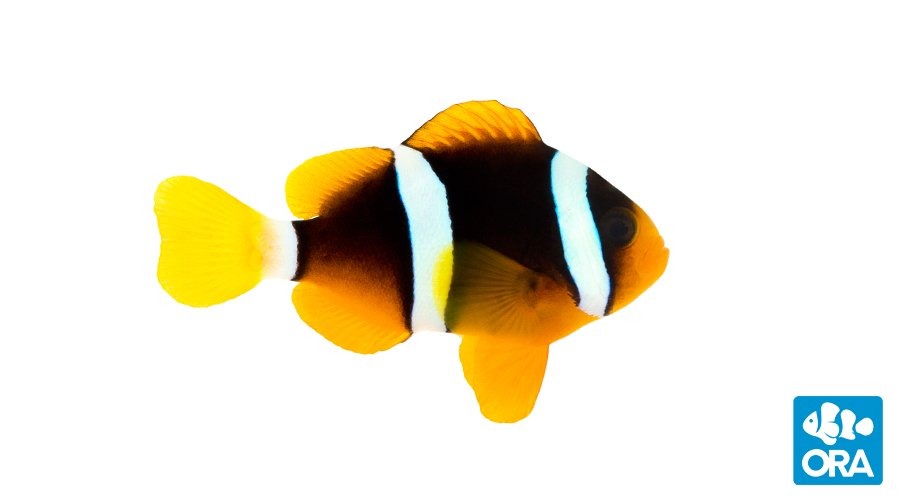
Clarkii Clownfish
Also known as Clark’s Clownfish, Yellowtail Clownfish, or Sebae Clownfish
The Clarkii Clownfish is a classic and highly adaptable clownfish species known for its variable coloration ranging from bright orange-yellow to dark brown or black, accented by two or three bold white vertical bands and a distinctive bright yellow tail. This naturally occurring species is one of the most widespread clownfish in the Indo-Pacific and demonstrates remarkable color variation based on geographic location. Hardy, bold, and personable, Clarkii Clownfish are slightly larger and more assertive than Ocellaris species, making them excellent choices for aquarists seeking a confident, interactive fish. They associate with the widest range of host anemones of any clownfish species.
Key Features
- Scientific Name: Amphiprion clarkii
- Common Names: Clarkii Clownfish, Clark’s Clownfish, Yellowtail Clownfish, Sebae Clownfish
- Adult Size: 4–5.5 inches (10–14 cm)
- Lifespan: 10–15+ years with proper care
- Temperament: Semi-aggressive to moderately aggressive; territorial around host area
- Reef Compatibility: Reef-safe
- Minimum Tank Size: 25 gallons
- Experience Level: Beginner to Intermediate
Habitat & Tank Requirements
Natural Habitat: Found across the Indo-Pacific from the Persian Gulf to Western Australia and Melanesia, typically in coastal reefs and lagoons at depths of 3–200 feet. They associate with the widest variety of host anemones of any clownfish.
Tank Environment:
- Host anemone or suitable coral substitute recommended
- Substantial live rock structure with caves
- Moderate to strong water flow with calmer zones
- Stable, established aquarium (2–3 months recommended)
Water Parameters:
- Temperature: 74–80°F (23–27°C)
- Salinity: 1.023–1.025 specific gravity
- pH: 8.1–8.4
- Ammonia/Nitrite: 0 ppm
- Nitrate: <20 ppm
- Alkalinity: 8–12 dKH
Essential Equipment:
- Quality protein skimmer
- Robust filtration system
- Moderate to high-quality lighting (if hosting anemone)
- Regular water changes (15–20% biweekly)
Diet & Feeding
Recommended Foods:
- High-quality marine pellets and spirulina-enriched formulas
- Mysis shrimp, enriched brine shrimp, cyclops, finely chopped krill
- Marine fish flesh, small chopped seafood
- Nori sheets and spirulina (occasional)
- Vitamin-enriched preparations
Feeding Schedule:
- Feed 2–3 times daily
- Offer variety to maintain vibrant coloration
- Clarkii have hearty appetites
Note: Quality nutrition maintains vibrant orange-yellow coloration and bright yellow tail. Well-fed specimens display best colors and are more likely to exhibit spawning behavior.
Behavior & Compatibility
Temperament:
- Bold and confident; more assertive than Ocellaris or Percula species
- Highly territorial around host anemone or chosen territory
- May become aggressive toward other clownfish
- Female (larger) is dominant and more aggressive
Tank Mates:
- Compatible with: Larger tangs, peaceful wrasses, gobies, dartfish, cardinalfish, peaceful angels, most peaceful to semi-aggressive species
- Caution with: Other clownfish species, timid fish, dottybacks
- Avoid: Other Clarkii clownfish (unless bonded pair), aggressive triggers, very small fish
Reef Compatibility:
- 100% reef-safe; will not harm corals or invertebrates
- May rearrange small rocks near host
- Safe with all clean-up crew invertebrates
Acclimation & Care Tips
Initial Acclimation:
- Drip acclimation over 60–90 minutes
- Float bag for temperature equalization (15–20 minutes)
- Dim lights during introduction and first 24 hours
- Minimize disturbance during settling
Health Considerations:
- Generally very hardy and disease-resistant
- Susceptible to marine ich and velvet when stressed
- Quarantine 3–4 weeks recommended
- Captive-bred specimens typically hardier than wild-caught
Signs of Health:
- Active, bold swimming behavior
- Vibrant coloration with bright yellow tail
- Clear, bright eyes
- Eager feeding response
- Smooth fins with no damage
Color & Development
Color Variations:
- Base Color: Orange-yellow, brown, or black depending on geographic origin
- Bands: Two white vertical bands (head and mid-body)
- Tail: Bright yellow to yellow-orange
- Fins: Typically orange to yellow with darker edging
- Eyes: Orange to golden iris
- Variation: Color intensity varies by location and individual
Geographic Color Morphs:
- Indo-Pacific specimens: Bright orange-yellow
- Australian specimens: Often darker brown tones
- Some populations: Nearly black body coloration
- All variations feature distinctive yellow tail
Color Stability:
- Coloration remains consistent throughout life
- Bright yellow tail is signature characteristic
- Quality diet maintains vibrant colors
Anemone Hosting Behavior
Compatible Host Anemones (Widest Range of Any Clownfish):
- Bubble Tip Anemone (Entacmaea quadricolor) – most popular
- Magnificent Anemone (Heteractis magnifica)
- Sebae Anemone (Heteractis crispa)
- Carpet Anemones (Stichodactyla spp.)
- Leathery Anemone (Heteractis coriaceae)
- Delicate Anemone (Heteractis malu)
- Adhesive Anemone (Cryptodendrum adhaesivum)
- Long Tentacle Anemone (Macrodactyla doreensis)
Coral Substitutes:
- Hammer Coral (Euphyllia ancora)
- Frogspawn Coral (Euphyllia divisa)
- Torch Coral (Euphyllia glabrescens)
- Large Toadstool Leather (Sarcophyton sp.)
Hosting Behavior:
- Clarkii readily accept various hosts
- May vigorously defend host from other fish
- Captive-bred may or may not host immediately
- An anemone encourages natural behavior but is not required
Special Considerations
Size & Personality: Clarkii are larger and more assertive than Ocellaris/Percula species. They require adequate tank space and may dominate smaller, timid tankmates. Their bold personality makes them interactive and engaging with owners.
Breeding Potential: Clarkii pairs spawn readily in home aquariums. Females lay 200–500+ eggs on flat surfaces. Males guard and tend eggs for 6–9 days until hatching. While larval rearing is challenging, many hobbyists successfully raise Clarkii fry.
Quarantine Essential: Quarantine protocols including health observation, preventative treatment, dietary conditioning, and stress reduction ensure long-term success and protect established aquariums.
Long-Term Commitment: With proper care, Clarkii Clownfish can live 10–15+ years, requiring consistent care and stable conditions throughout their lifespan.
Why Choose a Quarantined Clarkii Clownfish?
Quarantined specimens provide verified health, established feeding on all foods, stress-free acclimation, and disease prevention. This comprehensive approach ensures your Clarkii Clownfish will thrive immediately and remain a vibrant, interactive centerpiece for over a decade.
Only logged in customers who have purchased this product may leave a review.
Related products
Reviews
There are no reviews yet.