

Zebra Bullhead Shark
$3,999.99
Heterodontus zebra
| Care Level | Expert Only |
| Temperament | Aggressive |
| Color Form | |
| Diet | Carnivore |
| Reef Compatible | No |
| Water Conditions | sg 1.020-1.025, 72-78° F, dKH 8-12, pH 8.1-8.4 |
| Max Size | 4’2″ |
| Family | |
| Minimum Tank Size | 500 gallons |
Live Arrival Guarantee
Zebra Bullhead Shark
Also known as Zebra Horn Shark, Zebra Shark (juvenile pattern)
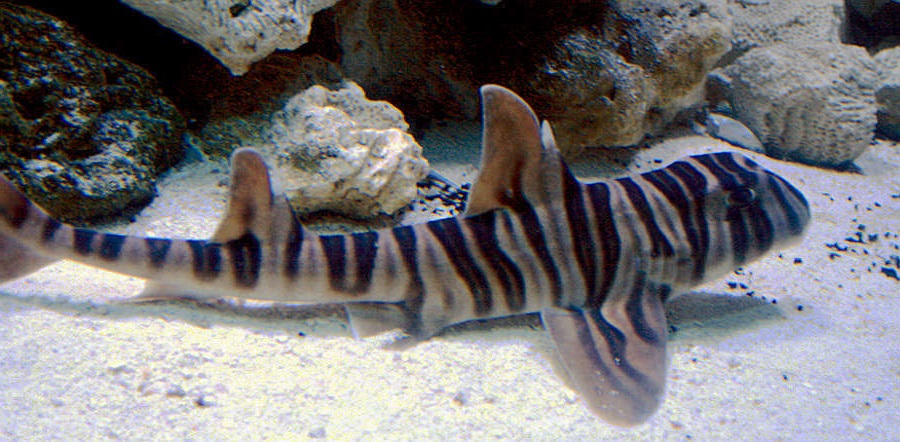
The Zebra Bullhead Shark is a spectacular species featuring bold black and white zebra stripes as a juvenile, transitioning to spotted patterns as adults. This docile, bottom-dwelling shark is one of the most visually striking and manageable shark species for very large home aquariums. Hardy and peaceful, this species is highly sought after by serious shark enthusiasts. Despite the name, adults develop a spotted pattern similar to leopard sharks.
Key Features
- Scientific Name: Heterodontus zebra
- Common Names: Zebra Bullhead Shark, Zebra Horn Shark, Japanese Bullhead
- Adult Size: Up to 48 inches
- Lifespan: 15-20+ years with proper care
- Temperament: Docile and peaceful; non-aggressive
- Reef Compatibility: Not reef safe; predatory
- Minimum Tank Size: 500 gallons preferred
- Experience Level: Advanced; requires specialized shark care
Habitat & Tank Requirements
Tank Environment: Requires large tank with extensive sand bed for resting. Provide caves, ledges, and rocky hiding areas. Smooth surfaces essential to prevent skin damage. Strong filtration but calm areas near bottom. No sharp decorations. Rounded tank corners preferred.
Water Parameters:
- Temperature: 64-72°F (18-22°C) – cooler water species
- Salinity: 1.023-1.026
- pH: 8.0-8.4
- Excellent water quality essential
Equipment Recommendations:
- High-capacity filtration system
- Large protein skimmer
- Strong water circulation (5,000+ GPH)
- Chiller required (cooler water preference)
- Sand substrate essential
These maintain optimal cooler water conditions for this species.
Diet & Feeding
Zebra Bullhead Sharks are carnivores specializing in hard-shelled prey.
Recommended foods include:
- Primary: Whole fresh/frozen fish (silversides, smelt, lance fish)
- Hard-shelled prey: Crabs, large shrimp with shells, snails, mussels, clams
- Variety: Squid, scallops, sea urchins (natural diet)
- Supplements: Vitamin-enriched foods
Feeding Frequency: 3-4 times weekly
Special Note: Powerful jaws designed to crush hard-shelled prey. Requires hard-shelled foods regularly to wear down continually growing teeth. Nocturnal feeder; feed during evening hours.
Social Structure & Compatibility
- Tankmates: Compatible with large, non-aggressive fish
- Peaceful: Very docile; rarely aggressive
- Multiple Sharks: Can be kept with other peaceful shark species in large systems
- Predatory: Will eat small fish and invertebrates
Notes & Considerations
- Absolutely stunning juvenile pattern: bold black and white zebra stripes.
- Pattern changes with age: Transitions to spotted leopard-like pattern as adult.
- Transformation occurs gradually over 2-3 years.
- One of the most beautiful juvenile shark patterns available.
- Very docile and harmless to humans; can be handled carefully.
- Bottom-dwelling; rests on a sand bed during the day.
- Primarily nocturnal; most active during evening and night.
- Native to cooler temperate waters of Japan and nearby regions.
- Requires chiller: Prefers cooler water (64-72°F) unlike tropical sharks.
- Cannot tolerate typical tropical temperatures long-term.
- Powerful jaws capable of crushing shells and hard prey.
- Teeth continuously grow; needs hard-shelled foods to wear properly.
- Will eat any fish small enough to swallow.
- Not compatible with small fish, ornamental shrimp, or crabs.
- Sensitive to medications; avoid copper-based treatments entirely.
- Skin lacks scales; easily damaged by rough surfaces.
- Produces significant waste; robust filtration essential.
- Can jump when startled; secure lid recommended.
- Oviparous (egg-laying); spiral egg cases distinctive.
- May lay eggs in the aquarium if conditions are suitable.
- Males have prominent claspers; easy to sex.
- Relatively rare in aquarium trade; commands premium prices.
- Hardy once established in proper conditions.
- Long-lived; 15-20+ year commitment.
- Legal restrictions possible; verify local regulations.
- Requires specialized shark husbandry knowledge.
- Not suitable for tropical reef systems without chilling.
Why Choose a Quarantined Zebra Bullhead Shark?
Purchasing a quarantined specimen from us means you’re starting with a healthier, properly acclimated shark. All specimens are carefully observed, treated appropriately (never with copper), and trained to accept varied foods including hard-shelled prey before sale. Given the specific temperature requirements and sensitivity of this species, professional quarantine provides essential acclimation and the best foundation for long-term success.
| Service Level | Conditioned |
|---|
Only logged in customers who have purchased this product may leave a review.
Reviews
There are no reviews yet.