

Black Cap Basslet
$119.99
Gramma melacara
| Care Level | Easy |
| Temperament | Semi-aggressive |
| Color Form | Black, Purple |
| Diet | Carnivore |
| Reef Compatible | Yes |
| Water Conditions | sg 1.020-1.025, 72-78° F, dKH 8-12, pH 8.1-8.4 |
| Max Size | 4″ |
| Family | Grammidae |
| Minimum Tank Size | 30 gallons |
7-Day Guarantee
Black Cap Basslet
Also known as the Blackcap Gramma or Black Cap Gramma
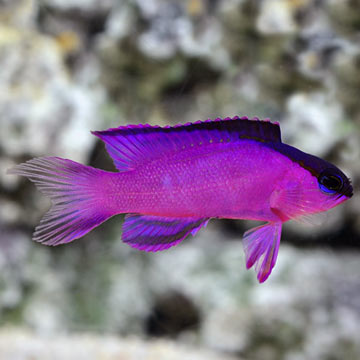
The Black Cap Basslet is an exquisite and highly sought-after deep-water species that represents the pinnacle of basslet beauty. Native to deep reef slopes and walls in the Caribbean, particularly around the Bahamas and Cayman Islands, this stunning fish features a dramatic color gradient from deep purple-magenta through vibrant violet to brilliant yellow, crowned with a distinctive jet-black cap on its head. Significantly rarer and more expensive than its cousin the Royal Gramma, the Black Cap Basslet commands attention with its intense coloration and elegant presence. While requiring similar care to Royal Grammas, their deep-water origins make them somewhat more sensitive and best suited for experienced aquarists who can appreciate their unique beauty and specialized needs.
Key Features
Scientific Name: Gramma melacara
Common Names: Black Cap Basslet, Blackcap Gramma, Black Cap Gramma
Adult Size: 3–4 inches (8–10 cm)
Lifespan: 5–8+ years with proper care
Temperament: Peaceful to semi-aggressive; territorial toward conspecifics and similar basslets
Reef Compatibility: Completely reef-safe – will not harm corals or invertebrates
Minimum Tank Size: 30 gallons (50+ gallons recommended)
Experience Level: Intermediate to Advanced – sensitive, requires pristine water and careful acclimation
Habitat & Tank Requirements
Natural Habitat: Found exclusively in deep reef environments along vertical walls, steep drop-offs, and deep caves at depths of 60–300+ feet. They inhabit darker, cooler waters than most aquarium fish and are typically found inverted beneath overhangs and cave ceilings in their natural environment.
Tank Environment:
- Multiple deep caves, overhangs, and rocky crevices essential
- Dim to moderate lighting (deep-water species requires subdued light)
- Extensive live rock structures creating shadowed territories
- Peaceful, stress-free environment absolutely critical
- Moderate to low water flow with calm refuges
- Very stable, well-established aquarium (3–6 months minimum recommended)
- Cooler temperature range preferred (avoid upper temperature limits)
- Provide vertical rock faces and cave-like structures
Water Parameters:
- Temperature: 72–76°F (22–24°C) – prefers cooler end of range
- Salinity: 1.024–1.026 specific gravity
- pH: 8.1–8.4
- Ammonia/Nitrite: 0 ppm (absolutely critical)
- Nitrate: <10 ppm (very sensitive; lower is essential)
- Alkalinity: 8–12 dKH
Essential Equipment:
- Quality protein skimmer rated appropriately for tank size
- Excellent biological and mechanical filtration
- Subdued or adjustable lighting system (essential)
- Chiller recommended if room temperature exceeds 78°F
- Regular water changes (15–20% weekly minimum)
- Stable temperature control
- UV sterilizer recommended for disease prevention
Diet & Feeding
Black Cap Basslets are carnivores requiring high-quality, varied foods to maintain their spectacular coloration and health.
Recommended Foods:
- Frozen Foods: Mysis shrimp, enriched brine shrimp, cyclops, finely chopped krill, copepods (primary diet)
- Live Foods: Live brine shrimp, live copepods, live black worms (especially helpful during acclimation)
- Pellets/Flakes: High-quality marine carnivore pellets, color-enhancing formulas with astaxanthin (supplementary)
- Prepared Mixes: Carnivore blends, enriched frozen preparations
- Enrichment: Vitamin-soaked foods, garlic-enriched preparations, omega-3 supplements
Feeding Schedule:
- Feed 2–3 times daily in small portions
- Offer variety daily to maintain intense coloration
- Target feeding often necessary (shy feeders initially)
- Feed near cave entrances where they feel secure
- May take several days to establish feeding after introduction
- Color-enhancing foods critical for maintaining black cap and purple intensity
Behavior & Compatibility
Temperament:
- Generally peaceful with most tankmates
- Territorial toward other Gramma species and similar basslets
- More shy and retiring than Royal Grammas
- Can be kept singly or in pairs (large tanks only)
- Often swims upside down under overhangs (natural behavior)
- Becomes bolder once fully acclimated but remains somewhat reserved
- Claims specific cave territory and defends vigorously
Tank Mates:
- Compatible with: Peaceful dartfish, firefish, gobies, cardinalfish, chromis, anthias, fairy wrasses, small peaceful tangs, small peaceful angelfish, clownfish
- Caution with: Royal Grammas (keep separate unless tank is 75+ gallons), other basslets, moderately aggressive species, fast aggressive eaters
- Avoid: Dottybacks, aggressive damselfish, large predatory fish (groupers, lionfish, frogfish), aggressive triggers, eels, any harassing species
Social Behavior:
- Best kept singly in tanks under 75 gallons
- Pairs possible in 75+ gallon tanks with multiple separated cave systems
- Will aggressively defend territory against other Gramma species
- Non-territorial toward dissimilar fish
- Interesting cave-dwelling and patrolling behavior
- May establish hierarchy if kept with Royal Grammas (not recommended)
Reef Compatibility:
- Completely reef-safe; will not harm corals or invertebrates
- May occasionally perch on coral branches but causes no damage
- Excellent choice for mixed reef aquariums
- Safe with all ornamental shrimp, snails, crabs, and cleanup crew
- Will not disturb sand bed or established rockwork
Acclimation & Care Tips
Initial Acclimation:
- Extended drip acclimation over 90–120 minutes minimum (critical for deep-water species)
- Float bag for temperature equalization (20–30 minutes)
- Keep lights completely off or very dim for first 48–72 hours
- May hide extensively for first week or longer (completely normal)
- Minimize all stress, noise, and vibrations near tank
- Have live foods ready to encourage initial feeding
- Patience absolutely essential; rushing acclimation often fatal
Health Considerations:
- More sensitive than Royal Grammas due to deep-water origins
- Highly susceptible to marine ich (Cryptocaryon), marine velvet (Amyloodinium), and bacterial infections
- Mandatory quarantine for 4–6 weeks before adding to display tank
- Stress from bright lighting, temperature fluctuations, or poor water quality can be fatal
- Watch for rapid breathing, flashing, loss of appetite, color fading, or excessive hiding
- Difficult to treat once ill; prevention through quarantine is critical
- Deep-water species acclimate slowly; never rush process
Signs of a Healthy Specimen:
- Active swimming with smooth, graceful movements (once acclimated)
- Clear, bright eyes with no cloudiness
- Vivid color gradient: purple to violet to yellow with jet-black cap
- Eager feeding response (may take week+ to establish)
- Smooth, intact fins with no tears, clamping, or damage
- No visible spots, lesions, excess mucus, or parasites
- Natural cave-dwelling and upside-down swimming behavior
- Alert and responsive to surroundings
Color & Development
Coloration Characteristics:
- Head Cap: Jet-black cap covering top of head from snout to behind eyes
- Front Body: Deep purple-magenta from head through anterior body
- Mid-Body: Vibrant violet to purple gradient
- Rear Body: Brilliant yellow-orange from mid-body through tail
- Fins: Purple dorsal and pelvic fins; yellow anal and caudal fins
- Color Transition: More gradual gradient than Royal Gramma’s sharp division
- Eyes: Large with golden-yellow iris
- Unique Feature: Black cap distinguishes from Royal Gramma
Color Intensity:
- Significantly more vibrant than Royal Grammas when properly maintained
- High-quality varied diet with color enhancers absolutely essential
- Carotenoid-rich foods enhance yellow coloration
- Astaxanthin supplements intensify purple-magenta hues
- Subdued lighting actually enhances color perception (bright light washes out colors)
- Stress, poor water quality, or inadequate diet causes dramatic fading
- Among the most intensely colored basslets when optimal conditions met
Color Comparison:
- Royal Gramma (Gramma loreto): No black cap; sharper purple-to-yellow transition
- Black Cap Basslet: Distinctive black cap; more gradual, richer color gradient
- Black Cap coloration generally more intense and saturated
Size & Growth:
- Juveniles rarely available under 2 inches
- Reach adult size (3–4 inches) within 12–18 months
- Males and females similar in size
- Slightly larger and more robust than Royal Grammas
- Growth rate moderate; slower than many basslets
Cave-Dwelling Behavior
Natural Habits:
- Spends significant time in deep caves and under overhangs
- Frequently swims inverted along cave ceilings
- Patrols territory from cave entrance
- Retreats deep into cave when threatened
- More reclusive than Royal Grammas, especially initially
- May arrange small rubble near cave entrance
Encouraging Natural Behavior:
- Provide multiple deep caves with varied sizes
- Position caves in darkest, most shadowed areas
- Create overhangs using live rock structures
- Deeper caves preferred over shallow ledges
- Observe fascinating upside-down swimming and patrolling
- Subdued lighting encourages bolder behavior
Territorial Display:
- Opens mouth widely displaying to intruders
- Flares fins and intensifies coloration dramatically
- Quick darting movements to chase competitors
- Displays usually bloodless; physical contact rare
- More aggressive toward conspecifics than Royal Grammas
Why Choose a Quarantined Black Cap Basslet?
A properly quarantined Black Cap Basslet is a healthier, fully acclimated specimen that has been meticulously prepared for aquarium life. Our quarantine protocol includes extended health observation (4–6 weeks minimum) in optimal deep-water conditions, gradual acclimation to appropriate lighting levels to prevent stress, preventative treatment for common parasites using gentle, proven methods, dietary conditioning with color-enhancing foods to ensure spectacular coloration, temperature stabilization to prepare for destination aquarium, behavioral assessment to ensure normal cave-dwelling patterns, and comprehensive stress reduction through proper handling and environment.
This provides you with absolute confidence that your Black Cap Basslet has been professionally collected using proper decompression techniques, carefully conditioned, and thoroughly prepared for long-term success. Black Cap Basslets represent the crown jewel of the Gramma genus—combining breathtaking coloration, fascinating behavior, and undeniable rarity in a species that demands experienced care, pristine conditions, and deep appreciation for their unique beauty. When properly maintained with subdued lighting, cooler temperatures, and excellent water quality, these magnificent basslets become prized centerpiece fish that will captivate observers for years to come.
Only logged in customers who have purchased this product may leave a review.
Related products
Reviews
There are no reviews yet.