
Chalk Bass (Wild Caught)
$59.99
Serranus tortugarum
| Care Level | Easy |
| Temperament | Semi-aggressive |
| Color Form | Blue, Orange, Purple |
| Diet | Carnivore |
| Reef Compatible | Yes |
| Water Conditions | sg 1.020-1.025, 72-78° F, dKH 8-12, pH 8.1-8.4 |
| Max Size | 3″ |
| Family | Serranidae |
| Minimum Tank Size | 30 gallons |
7-Day Guarantee
Description
Chalk Bass (Wild Caught)
Also known as the Chalky Bass or Serranus tortugarium
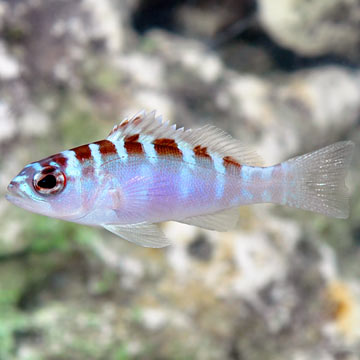
The Chalk Bass is a charming and peaceful species that brings subtle beauty and gentle personality to marine aquariums. Native to the Western Atlantic, from Florida and the Bahamas to the Caribbean, this small bass features a delicate pale body with distinctive orange stripes and a peaceful demeanor unusual for the bass family. Wild-caught specimens offer authentic coloration and natural behaviors, making them excellent additions for beginner to intermediate aquarists seeking a peaceful, reef-safe fish with understated elegance.
Key Features
- Scientific Name: Serranus tortugarum
- Common Names: Chalk Bass, Chalky Bass, Dwarf Sea Bass
- Adult Size: 3–3.5 inches (7–9 cm); commonly 2.5–3 inches in aquariums
- Lifespan: 5–8 years with proper care
- Temperament: Peaceful and social; one of the most docile bass species
- Reef Compatibility: Completely reef-safe – safe with corals and most invertebrates
- Minimum Tank Size: 20 gallons minimum (30+ gallons recommended for groups)
- Experience Level: Beginner to Intermediate – hardy once acclimated
Habitat & Tank Requirements
Natural Habitat: Found on coral reefs, reef slopes, and rubble areas at depths of 15–130 feet. Often observed in small groups hovering near reef structures and cave openings.
Tank Environment:
- Moderate rockwork with caves and overhangs
- Open swimming areas in mid-water column
- Peaceful environment with minimal aggression
- Subdued to moderate lighting preferred
- Multiple hiding spots for security
- Compatible with reef or FOWLR setups
Water Parameters:
- Temperature: 72–78°F (22–26°C)
- Salinity: 1.023–1.025 specific gravity
- pH: 8.1–8.4
- Ammonia/Nitrite: 0 ppm
- Nitrate: <20 ppm
- Alkalinity: 8–12 dKH
Diet & Feeding
Recommended Foods:
- Fresh/frozen mysis shrimp, brine shrimp, copepods (primary diet)
- Finely chopped seafood, krill
- High-quality marine pellets and flakes (once acclimated)
- Live blackworms, enriched brine shrimp (helpful during acclimation)
- Vitamin-enriched frozen preparations
Feeding Schedule:
- Feed 1–2 times daily
- Small, frequent meals preferred
- May require live foods initially; transition to frozen gradually
- Target feed during initial acclimation period
Behavior & Compatibility
Tank Mates:
- Compatible with: Clownfish, gobies, blennies, dartfish, firefish, wrasses (peaceful), anthias, cardinalfish, dottybacks (peaceful), tangs, angelfish, butterflyfish, virtually all peaceful community fish
- Caution with: Very aggressive feeders that may outcompete
- Avoid: Large predatory fish (groupers, lionfish, large triggers), highly aggressive species
Social Behavior:
- Can be kept singly, in pairs, or small groups (3–5)
- One of the few bass species suitable for group housing
- Peaceful toward all tankmates including conspecifics
- Often hovers in mid-water near caves
- May form loose shoals in larger aquariums
- Shy initially but becomes bolder with time
Reef Compatibility: Completely reef-safe with all corals, anemones, and sessile invertebrates. Safe with ornamental shrimp (cleaner shrimp, peppermint shrimp, fire shrimp). Will not harm any fish or invertebrates except perhaps the smallest nano shrimp under 0.5 inches.
Color & Development
Coloration: Pale cream to chalky white base with 6–8 horizontal orange to orange-brown stripes running length of body; subtle blue highlights on face and fins; delicate, pastel appearance; body semi-translucent giving ethereal quality.
Color Intensity:
- High-quality diet maintains orange stripe vibrancy
- Wild-caught specimens display natural color variation
- Stress may cause slight fading during acclimation
- Colors stabilize once established
- Blue facial highlights more prominent in mature specimens
Size & Growth:
- Wild-caught specimens typically available at 2–3 inches
- Slow growth rate due to small adult size
- Often near adult size when collected
- One of the smallest bass species
Why Choose a Quarantined Wild-Caught Chalk Bass?
A properly quarantined wild-caught Chalk Bass is a healthier, less stressed specimen that has been observed, treated, and conditioned for aquarium life. Our quarantine protocol includes 3–4 weeks minimum observation, preventative parasite treatment (critical for wild specimens), dietary conditioning to accept frozen and prepared foods, health assessment and stabilization, and proper acclimation to captive environments.
These gentle bass combine peaceful temperament with understated beauty and good hardiness once established, making them excellent for nano reefs, peaceful community tanks, and beginner to intermediate aquarists. Their social nature allows for unique group displays rarely possible with bass species, while their small size and peaceful demeanor make them ideal inhabitants for a wide range of aquarium setups.
Reviews (0)
Only logged in customers who have purchased this product may leave a review.
Shipping & Delivery
Reviews
There are no reviews yet.